




Industrial facilities are under growing pressure to reduce costs, lower emissions, and modernize aging infrastructure.
Historically, wastewater and process water treatment have been viewed as a compliance requirement or operating expense with industrial manufacturers. But that perspective is beginning to change.
Recent federal policies such as Section 48E, the Clean Electricity Investment Tax Credit, signal a broader shift in how industrial infrastructure investments are being evaluated. Today, companies are increasingly looking at projects through the lens of energy efficiency, emissions reduction, operational resilience, and long-term return on investment.
For industrial facilities, this creates an opportunity to rethink wastewater.
What Is Section 48E?
Section 48E is a federal investment tax credit designed to encourage qualifying clean electricity generation and energy storage projects.
While wastewater treatment systems do not automatically qualify, the policy reflects a larger trend: infrastructure decisions are no longer being evaluated solely on upfront cost. Companies are increasingly considering:
- Energy consumption
- Emissions impact
- Operating costs
- Reliability
- Sustainability goals
- Future growth plans
And wastewater plays a role in all of them.
A Changing Landscape for Anaerobic Digestion
For years, anaerobic digestion (AD) has been a popular option for facilities pursuing wastewater treatment and renewable energy goals. Part of that interest has been driven by favorable treatment under previous tax frameworks.
Section 48E takes a more focused approach. The incentive is tied primarily to qualifying electricity generation and energy storage assets rather than broader wastewater or biogas infrastructure.
As a result, facilities considering AD should take a closer look at project economics and evaluate technologies based on overall performance, lifecycle costs, emissions impacts, and operational requirements rather than assuming tax incentives will drive the business case.
Wastewater Is No Longer Just a Compliance Issue
Today’s facility leaders are asking bigger questions:
- How can we reduce operating costs?
- Where are our emissions coming from?
- Can our infrastructure support future growth?
- Are we investing in assets that strengthen the business long-term?
Wastewater systems influence all of these outcomes.
Energy-intensive treatment processes, hauling wastewater offsite, excess sludge production, and reliance on municipal infrastructure can increase both costs and emissions while limiting operational flexibility.
That’s why wastewater is increasingly becoming part of broader conversations around infrastructure modernization and sustainability planning.
The Decentralized Advantage
One of the biggest trends in industrial infrastructure is decentralization.
Rather than relying entirely on centralized systems, companies are investing in technologies that allow them to manage resources closer to where they are generated; this includes energy and water.
Relative to water goals, decentralized wastewater treatment can help facilities:
- Reduce hauling costs
- Lower energy consumption
- Minimize sludge generation
- Improve operational control
- Reduce dependence on municipal infrastructure
- Support sustainability initiatives, including water reuse
Most importantly, it transforms wastewater from a recurring operational burden into an infrastructure asset that delivers measurable business value.
How Aquacycl Fits into This Trend
At Aquacycl, we’ve always believed wastewater should be viewed as more than a compliance issue.
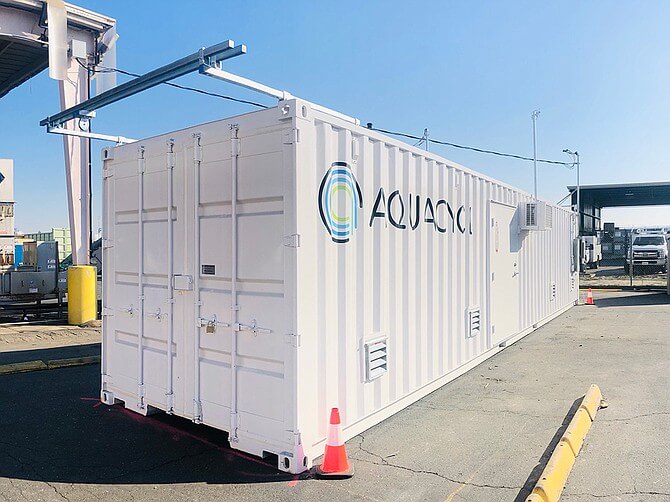
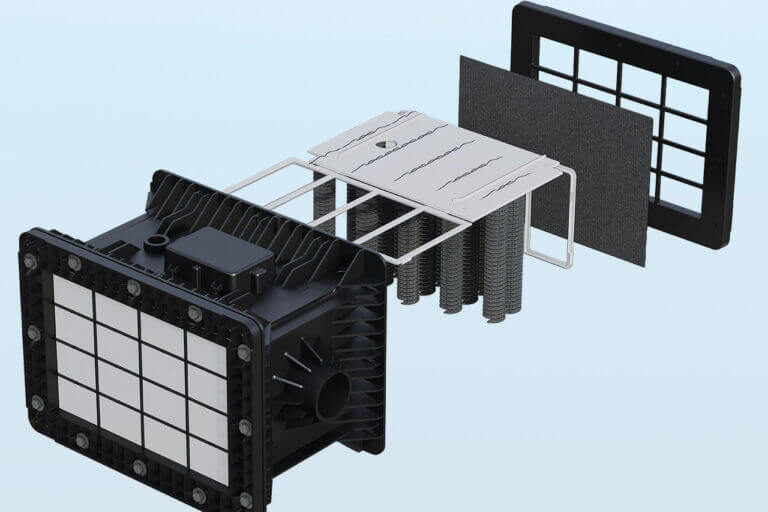
Our decentralized treatment systems help industrial facilities reduce wastewater management costs while lowering energy consumption, minimizing sludge production, and supporting broader sustainability and growth objectives.
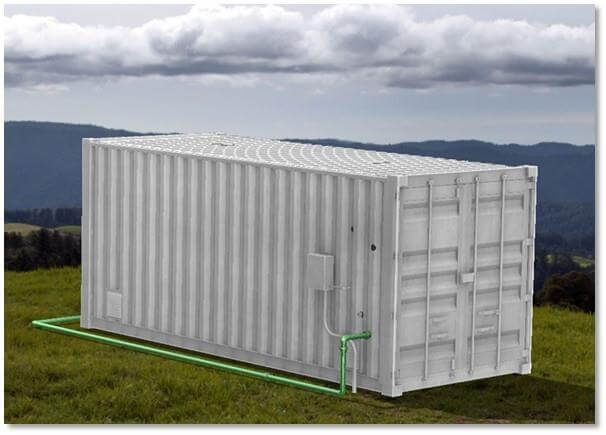
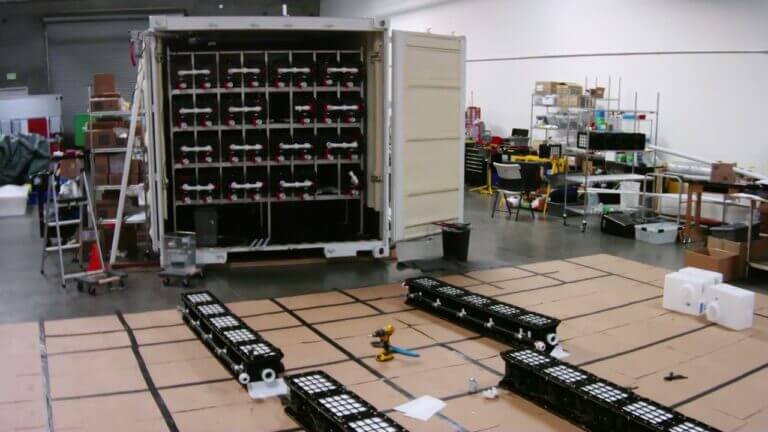
A modular water treatment and reuse system that operates with a minimal energy footprint, paired with decentralized energy generation, can produce significant long-term gains for a business and still take advantage of the updated tax incentives.
As facilities revisit infrastructure strategies in light of changing regulations and incentives, many are expanding the range of technologies they evaluate. Increasingly, operators are prioritizing solutions that reduce costs, minimize emissions, simplify operations, and deliver predictable long-term performance.
The facilities that gain the greatest advantage will be those that take a holistic view of infrastructure planning and consider how water and wastewater management contribute to operational performance, long-term cost control, and future growth.
The Bottom Line
Section 48E may focus on clean electricity and energy storage, but it highlights a broader market shift.
Industrial infrastructure is increasingly being evaluated through the lenses of efficiency, resilience, sustainability, and business performance.
For industrial facilities, wastewater is no longer just a compliance requirement. It is becoming a strategic infrastructure decision. Companies that recognize this shift early will be better positioned to reduce costs, strengthen operations, and build more resilient facilities for the future