




Wastewater is often a necessary line item on a facility’s P&L, but still an afterthought for many businesses. However, the costs of not being proactive with your wastewater management can be staggering. If it’s not something you’ve seriously considered, even after operating for years, it can quickly escalate into an excruciating problem that drains your budget, site resources, and puts your operations at risk.
Being reactive rather than proactive might feel easier in the short term, but it comes with a hefty price tag. Let’s explore what we mean by “inaction” and why it’s one of the most expensive decisions you can make.
What do we mean by “inaction”?
When we talk about inaction at Aquacycl, we’re referring to the tendency to stick with business as usual when it comes to wastewater management. That could mean:
- Continuing to discharge to the sewer without exploring other options.
- Relying on hauling wastewater offsite.
- Running an on-site treatment system that’s been in place for decades without reassessing its efficiency.
Because wastewater is rarely top-of-mind, these practices often continue unchecked until a crisis forces change. At that point, the costs of inaction are no longer avoidable.
Being proactive doesn’t mean overhauling your system every year. It means regularly evaluating costs, efficiency, compliance, regulatory changes, and long-term treatment goals so you’re not blindsided by sudden, escalating expenses.
Inaction when discharging to sewage
For industrial dischargers sending wastewater to municipal treatment plants, the biggest challenge is the unpredictability of costs. Municipalities must manage the collective burden of all dischargers in their system – both residential and industrial. When treatment plants are overburdened, the additional expenses to expand infrastructure are passed to their ratepayers, with industrial users often paying the biggest share.
Here’s why:
- Industrial facilities generate higher pollutant loads compared to residential households and commercial office buildings.
- Municipal plants are designed for domestic wastewater, not high-strength industrial waste.
- The higher the burden on the system, the higher the surcharge for industrial users.
In the U.S., it’s common to see 8% year-over-year increases in sewer rates, but in recent years, many businesses have faced spikes of up to 30% annually.
That’s not just a spending headache, and it often cannot be covered by wiggle room in your annual budget.
Inaction when hauling wastewater
Hauling wastewater offsite for treatment is typically the first option facilities turn to when there is a huge rate hike to the city sewage collection system. Hauling costs can be lower – in the short-term, at least.
Hauling should be seen as an interim solution, something utilized when you increase production, in emergency situations, or in the period when an onsite system is being upgraded or brought online.
But relying on hauling long-term creates its own risks:
- Rising rates: Just like utility rates, hauling costs, and tipping fees are climbing.
- Regulatory pressures: In Europe, especially, environmental regulations are reducing landfill and incineration options. Disposal sites are closing or restricting what they’ll accept.
- Operational risk: If your hauler can no longer take your wastewater, you’re left scrambling. In worst-case scenarios, this can even force a temporary halt in production.
These risks can occur suddenly, and with no backup plan for your wastewater, your facility will be in trouble, and your revenue will be impacted – not just your expenses.
Inaction with longstanding onsite systems
If you have an on-site system at your facility, when was the last time you did a full efficiency assessment? It’s probably been a long time, if ever.
While they allow you to gain control, meet compliance, and avoid hauling for your wastewater, a longstanding system that hasn’t been optimized for years may quickly turn into a liability.
Production volumes may have grown, products may have changed, discharge permits may have become stricter, and sustainability expectations may be higher than when the system was originally designed. Yet because the system is “already there,” it’s easy to overlook the creeping inefficiencies.
Some common challenges with longstanding onsite systems include:
- Decreased efficiency: Older systems often consume more energy, water, and chemicals than newer alternatives.
- Treatment gaps: Over time, systems can fall short of meeting compliance standards or struggle to treat modern, more complex wastewater streams.
- Rising operating costs: Maintenance, repairs, and consumables can quietly turn into a major cost sink.
- Misalignment with business goals: A system that was installed years ago may not support today’s priorities, whether that’s sustainability targets, ESG reporting, or planned production expansions.
The real danger of inaction here is complacency. Because the system hasn’t “failed,” it’s easy to assume it’s still working well enough. But “working well enough” often means overspending, underperforming, and carrying unseen risks.
How to avoid the costs of inaction
The best way to avoid the escalating costs and risks of inaction is to take control of your wastewater at the source.
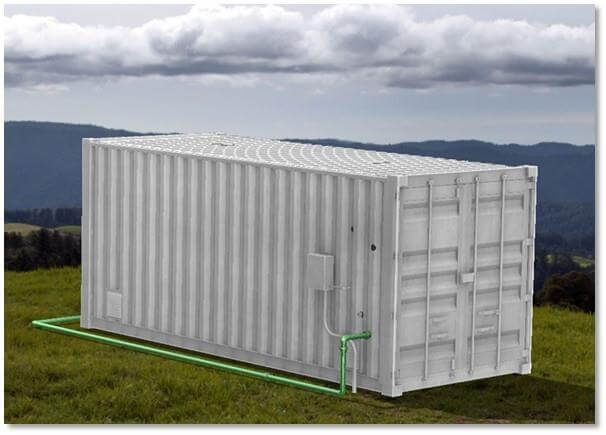
Rather than relying on city sewer systems or third-party haulers, an on-site treatment system built with your goals in mind puts you back in charge of your operations.
If your onsite system is approaching 10 years in operation, it’s important to assess performance, operational costs, and explore additive technology partners that can improve performance without major equipment or OPEX investment.
By investing in application-based and customized onsite solutions, you’re making a strategic investment that stabilizes costs, reduces long-term risk, and creates flexibility for future growth. Instead of reacting to surprise rate increases or scrambling when regulations tighten, you have a predictable, managed solution that scales with your facility’s needs.
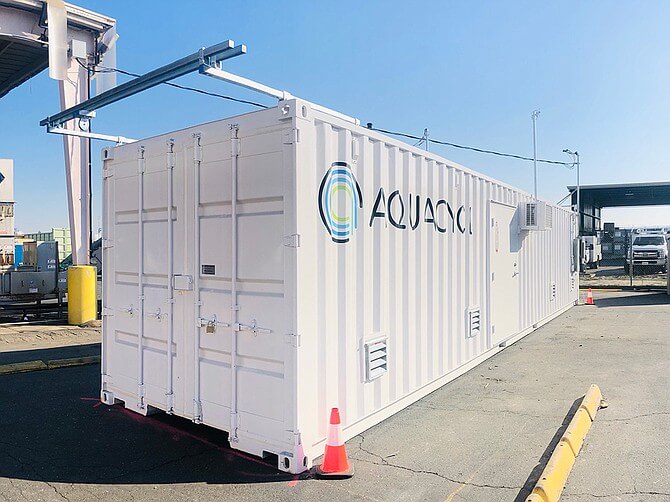
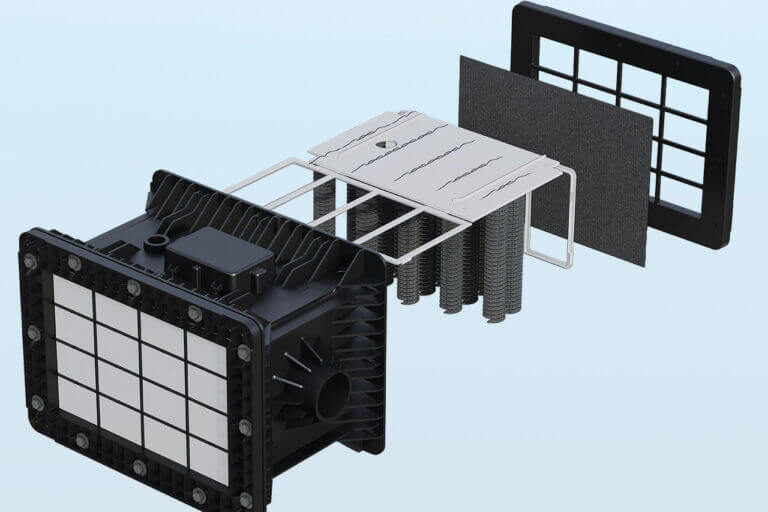
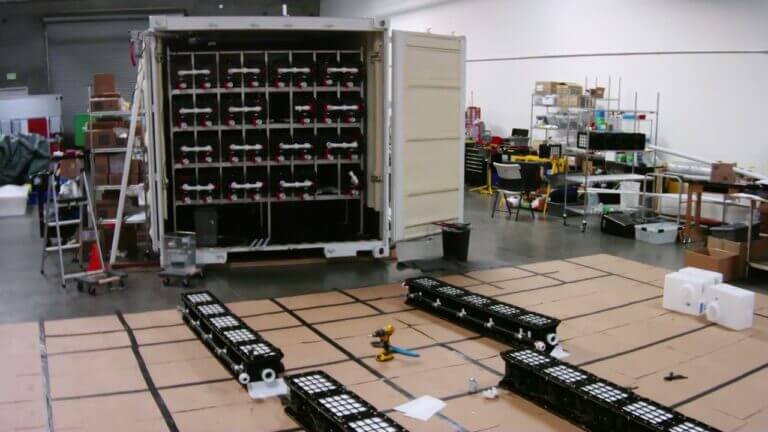
This is where Aquacycl makes the difference. Our systems are designed to help facilities be proactive, not reactive, with their wastewater management. Every Aquacycl installation is equipped with 24/7 remote monitoring and real-time data visibility, so you always know how your system is performing. If conditions change, whether that’s a production ramp-up, a shift in influent composition, or a new compliance requirement, our modular and flexible design allows the system to adapt without costly infrastructure changes.
And because Aquacycl provides wastewater treatment as a service, you get a fully managed solution with ongoing support, performance guarantees, and no surprise costs. That means peace of mind knowing your wastewater is handled reliably, sustainably, and cost-effectively, while your team stays focused on what matters most: running and growing your core business.