




You know it, your team knows it, and your neighbors definitely know it: wastewater smells.
But those smells aren’t just unpleasant; they’re often warning signs of deeper operational and safety risks that can’t be ignored.
While odor may seem like a minor issue, the root cause of wastewater smells, especially hydrogen sulfide (H₂S), carries serious consequences. Toxic, corrosive, and difficult to control, H₂S gas isn’t just bad for your nose—it’s bad for your people, your equipment, and your business.
In this blog, we’ll explore where these odors come from, why controlling them is critical, and compare the most common wastewater odor removal solutions on the market.
Where Do Wastewater Odors Come From?
Most wastewater odors are caused by the breakdown of organic materials in oxygen-deprived (anaerobic) conditions. Industrial facilities often produce high-strength wastewater with significant organic loads and sulfate constituents, which may be derived from cleaning products or reverse osmosis concentrates. When combined, organics and sulfates in an anaerobic environment create the perfect environment for H₂S to form.
If you’re not actively managing it, H₂S is likely forming in your wastewater tanks right now.
The broader implications of H2S odors
H2S is more than just an unpleasant odor; it’s a toxic and corrosive gas that forms in wastewater tanks which can lead to severe regulatory penalties, costly equipment failures, hazardous working environments, and even facility shutdowns. The reality is that unless it’s effectively managed, H2S can quickly escalate from a minor nuisance to a major crisis.
- Toxicity: Even at low concentrations, prolonged exposure to H₂S can cause headaches, nausea, and respiratory issues. At concentrations above 500 ppm, it becomes lethal. Unfortunately, workplace incidents involving H₂S are common—and can result in emergency evacuations, shutdowns, or fatalities.
- Corrosion: If you’re constantly replacing pipes or dealing with failing equipment, H₂S could be to blame. This gas aggressively corrodes metal, triggering a costly cycle of repairs, replacements, and declining system efficiency.
- Employee Morale: No one wants to work in a hazardous, foul-smelling environment. Beyond the health risks, persistent H₂S odors affect morale and can drive away talent. Keeping your workforce safe and comfortable should be a top priority.
- Reputational Damage: If your facility smells bad, it’s not just your team noticing—neighbors, regulators, and even the media take note. This can cause long-lasting damage to your reputation, strain community relations, and jeopardize your permit to operate.
- We once visited a facility where H₂S levels were so high that the rotten-egg smell blanketed the entire city. You could smell it inside a car, driving in from the airport. Don’t be that facility.
Wastewater Odor Removal Methods: What’s Out There?
There are several H2S odor removal methods commonly used by industrial facilities. But while the most common methods have been around for decades, they often come with significant drawbacks—costly to maintain, inconsistent performance, and difficult to scale for variable industrial demands.
Let’s break down what’s out there—and how a new approach changes the game.
The Traditional Methods
1. Chemical Dosing (e.g., Nitrate, Iron Salts, Peroxide, Chlorine):
- How it works: Chemicals are added to oxidize or bind with H₂S, neutralizing it in the water.
- Pros:
✔ Fast-acting and effective—when dosed correctly. - Cons:
✖ Ongoing chemical costs add up fast.
✖ Dosing and mixing are tricky—overdosing wastes money, underdosing fails to stop odors.
✖ Introduces new safety and environmental risks.
Bottom line: Effective when executed properly, but high-maintenance and expensive in the long run.
2. Aeration:
How it works: Introduces oxygen to prevent anaerobic conditions and chemically oxidizes H2S by bubbling, cascading, and/or stripping the gas from the water, without the addition of chemicals to the water.
- Pros:
✔ Widely available options tailored to different facilities. - Cons:
✖ Energy-intensive and costly to operate.
✖ Complex to install and maintain.
✖ Often struggle with high or fluctuating H₂S loads.
Bottom line: A chemical-free alternative, but it requires high OpEx and maintenance.
3. Biofilters and media filtration: How it works: Uses biological or chemical media (e.g., activated carbon) to sequester H2S from air emissions.
- Pros:
✔ More sustainable than chemical-heavy alternatives. - Cons:
✖ Sludge buildup requires frequent maintenance.
✖ Large footprint.
✖ Inconsistent performance under variable production.
✖ Media replacement can be costly.
Bottom line: Greener, but harder to manage and scale.
An Innovative Approach
While these methods each have their place in reducing H₂S, we saw a clear gap in the market for a solution that was reliable, sustainable, and didn’t place added strain on facility operations.
So, Aquacycl developed our own technology to add to the mix:
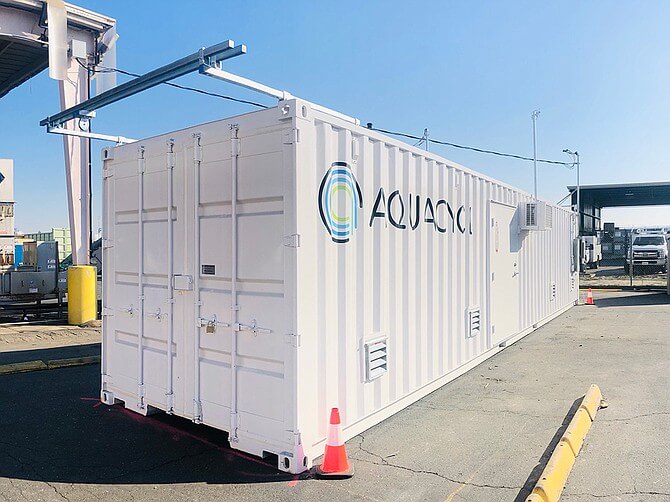
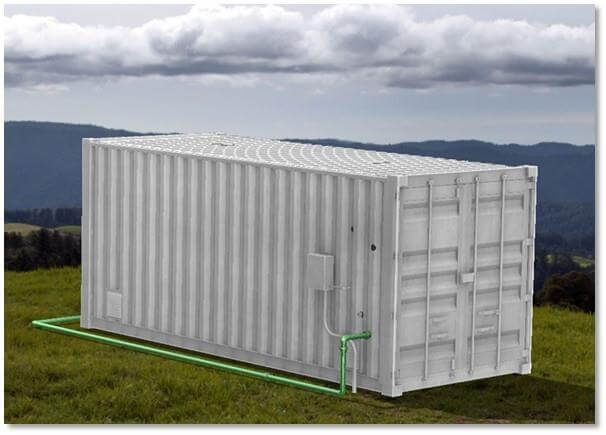
4. SulfideFix: A custom unit that retrofits into wastewater tanks and creates an oxygen-rich environment only at the surface of the water in the tank that enriches and maintains microbial biofilm populations that consume H2S gas as it is pushed to the surface through mechanical mixing of the bulk water. This process uses no chemicals and minimal energy since blowers are only used to bring air to the surface of the water and not into the bulk of the water.
How it works: Our patented micro-aeration technology delivers low-pressure air across the liquid surface, supporting natural biological processes that convert sulfides into biosulfur—eliminating the H2S gas from the tank.
- Advantages:
✔ Eliminates 99.9% of H₂S in as little as 72 hours and consistently delivers under variable loading conditions
✔ No chemicals
✔ Low energy consumption
✔ Minimal sludge buildup
✔ Remote monitoring and low maintenance
Bottom line: SulfideFix offers reliable, chemical-free H₂S removal—without the cost and complexity of traditional methods.
Why Choosing the Right Odor Control Method Matters
When it comes to H₂S, odor is just the beginning. The real cost of using the wrong odor control method—or delaying action altogether—is felt across every part of your operations.
An ineffective solution might reduce the smell for a while, but it won’t stop H₂S from corroding your infrastructure, threatening your compliance status, or putting your team at risk. When it comes to H2S, you need a long-term solution you can trust to safeguard your facility and eliminate this hazard.
A long-term, preventive approach like SulfideFix not only stops odors at the source but also protects your people, your assets, and your bottom line.
Looking to safeguard your facility long-term? Schedule a call with our team to see how SulfideFix can help eliminate odors—and all the hidden costs that come with them.